
What Most DIY Projects Get Wrong (And How to Avoid It)

If you’re planning a home project this summer, start here.

Summer is when a lot of home projects finally move from “idea” to “let’s just do it.”
And when it comes to DIY home project planning, most people don’t get stuck doing the work. They get stuck in the decisions. The number one thing I see over and over again is projects starting without a plan.
1. Starting Without a Plan (or a Clear Next Step)
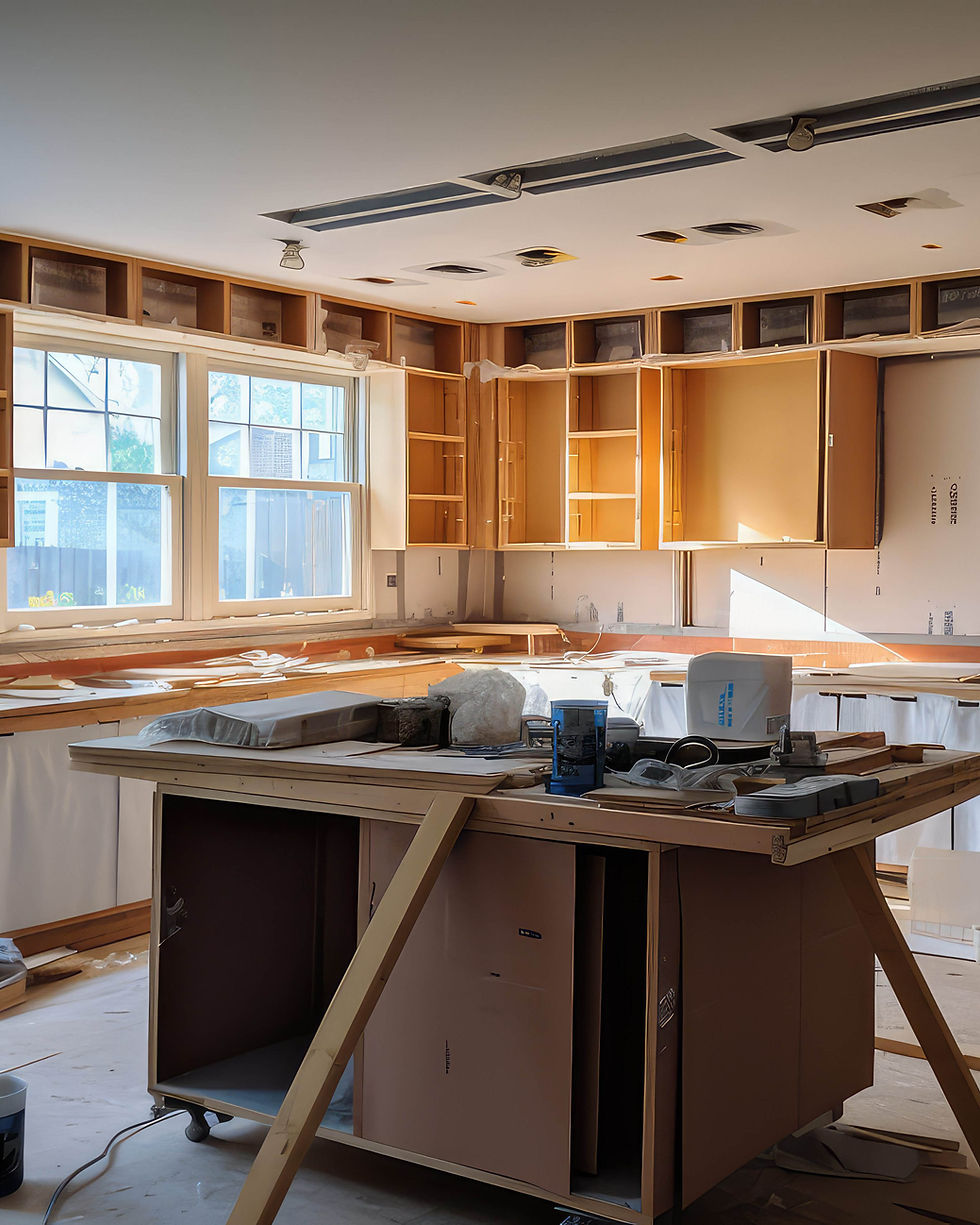
This is where most problems begin.
Materials get purchased before decisions are made. Demo starts before there’s a full direction. Choices get made one at a time, without a bigger picture.
You don’t need every detail figured out before you begin. But you do need a clear direction and a sense of order.
Without that, everything becomes reactive. And that’s when projects start to feel harder than they should.
Designer Tip: Before you start anything, define your layout, priorities, and the order of decisions. A clear plan doesn’t mean every detail is finalized, but it does mean you know where you’re going.
2. Trying to Decide Everything at Once
Another place projects break down is trying to make every decision at the same time.
Layout, tile, paint, fixtures, lighting… all at once.
It’s not that there are too many decisions. It’s that they’re happening all at the same time.
When everything feels equally important, it’s easy to second-guess every choice or avoid making one at all.
Breaking decisions into phases creates clarity. It also makes the process feel manageable instead of overwhelming.
Designer Tip: Break decisions into phases. Start with layout and function first, then move into materials and finishes so each choice builds on the last.
3. Focusing on Finishes Instead of Function
This is one of the most common missteps.
People start with what the space will look like, instead of how it needs to work.
Paint colors, tile, and finishes get selected first. Meanwhile, layout, lighting, and flow are still unresolved.
The problem is, finishes don’t fix functional issues.
A new backsplash won’t improve how your kitchen functions. A beautiful vanity won’t solve a layout that doesn’t work.
When function is addressed first, everything else falls into place more easily.
Designer Tip: Finalize how the space will function before selecting any finishes. Layout and lighting should guide your choices, not the other way around.
4. Designing for an Ideal Version of Life

It’s easy to design for how you wish you lived instead of how you actually do.
Storage systems that look great but don’t match your habits. Layouts that assume routines that don’t exist.
And over time, those decisions create friction.
Good design supports your real life. It makes daily routines easier, not more complicated.
Designer Tip: Look at your current routines and habits before making design decisions. The best solutions are the ones you’ll actually use every day.
5. Treating Every Decision Like It’s Isolated
Every choice in a space is connected.
Lighting affects how colors look. Layout affects how storage functions. Materials impact maintenance and long-term use.
When decisions are made in isolation, things don’t quite come together the way you expect.
That’s why order matters more than most people realize.
Designer Tip: Make decisions in context. Review materials, lighting, and layout together so you can see how everything works as a whole.
DIY Home Project Planning: When Projects Start to Feel Overwhelming
If this process feels familiar, you’re not alone.
Most DIY projects don’t stall because of effort. They stall because the decisions feel too big all at once.
That’s usually the point where a little structure makes everything easier.
What Support Can Look Like
This is where design coaching comes in.
Not every project needs full-service design. But most people benefit from having guidance as they move through decisions.
Design coaching is flexible. It might start with a consultation to get clear on direction, and then continue as needed.
That support can look like:
mapping out the right order of decisions
reviewing options so you can move forward with confidence
meeting in-store or hopping on a quick call while you’re choosing materials
or stepping in when something feels stuck
It’s not about taking over your project. It’s about helping you move forward with clarity.
A Real Example

One recent client came to me while preparing for a move into their next home after retirement.
They planned to stay long-term, but the kitchen and bathroom needed updates. At the same time, they were working within a set budget and a tight timeline while selling their current home.
We worked together over a series of design meetings to clarify priorities, define a direction, and create a plan before anything started.
I developed a materials plan with real, purchase-ready options and layout ideas that improved how the spaces would function.
They ultimately hired a contractor, but by that point, they had a clear plan and could move forward with confidence. As questions came up, I was able to step in and support those decisions along the way.
That’s what design coaching often looks like, support where you need it, without taking over the process.
Where to Go From Here
If you’re planning a project this summer and it feels harder than it should, there’s usually a reason.
Most of the frustration doesn’t come from the work itself. It comes from trying to navigate the decisions without a clear structure.
You don’t have to figure that out on your own.
If you’re ready to move forward and want clarity on your next step, let’s talk.


