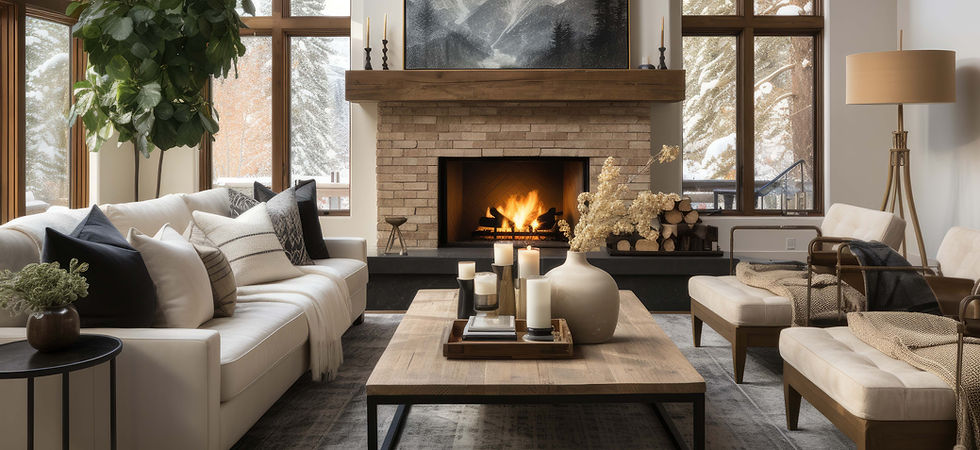
Good Design Comes Down to Alignment

How sensory design shapes spaces that actually work.
A space can look beautiful and still feel off. Most people assume that’s a style issue, but more often, it’s an alignment issue.
Alignment in design is about how everything works together, color, materials, scale, layout, and sensory input. When those elements aren’t aligned, you feel it. A space can feel distracting, uncomfortable, or harder to use than it should.
You might have the right pieces in place, but something still doesn’t feel right. That usually comes down to small misalignments, details that compete instead of support each other.
When everything is aligned, the difference is immediate. The space feels easier, more natural, and more supportive to live in.
Alignment Means Everything Works Together
Good design isn’t about making everything match. It’s about making everything relate.
Color, materials, and finishes should feel connected. Furniture should feel appropriately scaled. The layout should support how you naturally move through the space.
From a sensory perspective, this also means:
light levels are appropriate for the activity
sound is managed, not distracting
textures support comfort, not overstimulation
When these layers are aligned, the space feels cohesive without feeling forced.
Balance Comes from Contrast and Layering

Alignment doesn’t mean everything is the same.
In fact, contrast is what creates balance.
A well-designed space includes:
light and dark tones
soft and hard textures
large and small scale elements
These layers give the space depth and make it easier for your brain to process.
Without contrast, a space can feel flat.
With too much contrast, it can feel chaotic.
The goal is intentional layering that supports how the space is used.
Scale and Proportion Matter
One of the most common sources of misalignment is scale.
Furniture that is too large or too small for a space can make everything feel off, even if the colors and finishes are right.
Proportion also matters in how elements relate to each other:
a rug that grounds the furniture
lighting that is sized appropriately for the room
decor that doesn’t overwhelm or disappear
These relationships affect how comfortable and usable a space feels.
Cohesion Doesn’t Mean Everything Matches

A cohesive space isn’t one where everything is identical.
It’s one where everything feels intentional.
You can have contrast, variation, and personality while still maintaining harmony. The key is that the elements feel connected rather than competing.
This is where alignment becomes visible:
repeated tones or materials
consistent visual rhythm
a balance between variation and restraint
Where Sensory Design Fits In
This is where alignment becomes even more important.
When designing for sensory needs, every layer of a space has a greater impact.
For individuals who are more sensitive to sensory input, misalignment can quickly become overwhelming. Light, sound, and visual complexity all need to be carefully considered.
At the same time, for those who are more sensory-seeking, a space may intentionally include more stimulation:
increased texture
more visual contrast
opportunities for movement or interaction
In these cases, alignment doesn’t always mean calm or minimal. It means that the level and type of stimulation are intentional and supportive. The goal is not to create a perfectly balanced space by traditional standards. It’s to create a space that is aligned with the person using it.
When a Space Finally Feels Right

When a space is aligned, you don’t think about it. You’re not adjusting the lighting, moving things around, or trying to get comfortable. You can focus, relax, and move through your day without friction.
That’s the difference between a space that looks good and one that truly works.
Good design comes down to alignment, not perfection, not trends, and not matching everything exactly. It’s about how color, materials, layout, and sensory experience work together to support how you actually live.
When those elements are aligned, the shift is noticeable. The space feels easier, more natural, and more supportive to be in.
And that’s when it finally feels right.
If you’ve read this far, there’s a good chance something in your home isn’t working the way it should. You don’t have to keep guessing. Reach out and let’s talk about what’s going on in your space, and how to fix it.