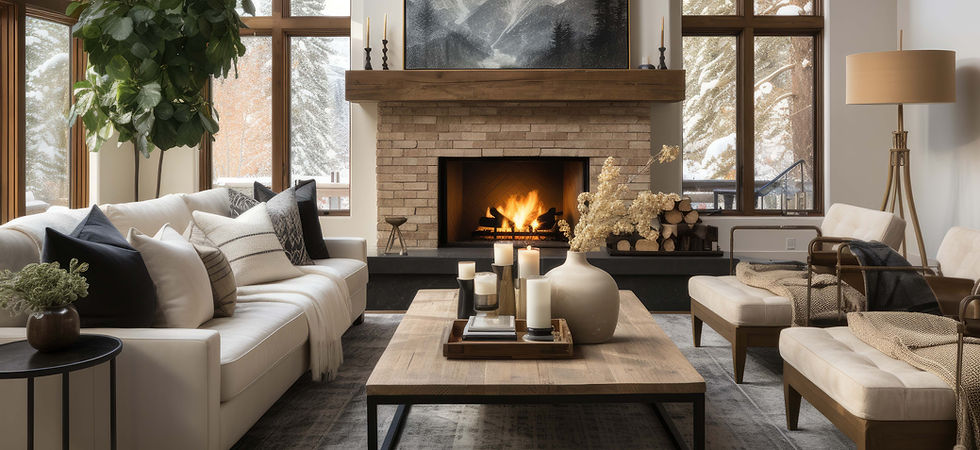
Creating Calm Through Indoor and Outdoor Living


Some spaces help us feel grounded the moment we walk into them. They feel calming, welcoming, and restorative in ways that are difficult to fully explain but easy to recognize.
Often, those feelings are shaped by a home’s connection to nature.
Things like sunlight, outdoor views, natural materials, and comfortable outdoor spaces often influence how a home feels more than people realize. These elements shape how a home feels just as much as the layout or furniture inside it.
Some of the most restorative homes don’t just shelter us from the outside world. They help us stay connected to it.
This connection to nature is at the heart of biophilic design, an approach that focuses on creating spaces that feel calming, supportive, and connected to everyday life both indoors and out.
Bringing Nature Indoors

Connection to nature inside the home doesn’t require a major renovation or a house full of plants. Often, small changes can have a meaningful impact on how a space feels and functions.
Sunlight, outdoor views, and airflow can completely change the experience of a room. Thoughtful window treatments can help control light, improve privacy, and strengthen the connection to the outdoors at the same time. Even something as simple as reorienting furniture to take advantage of window light or outdoor views can help a space feel calmer and more connected to nature.
Materials and texture also shape the sensory experience of a space. Wood tones, woven textures, linen fabrics, stone, and softer color palettes often help a home feel more grounded and restorative. In contrast, harsh lighting, overly reflective surfaces, and excessive visual clutter can contribute to stress and sensory fatigue.
Live plants can also play an important role in creating a calming environment. In addition to bringing a sense of nature indoors, plants can help freshen the air, support air quality, soften a space visually, and create a feeling of warmth and life within the home.
Bringing the Indoors Out

Outdoor spaces are often treated as separate from the home, but the most functional outdoor areas feel like a natural extension of daily living.
A comfortable patio, shaded seating area, front porch, or even a small balcony can become a place to recharge, gather, rest, or simply slow down for a few minutes during the day. Outdoor spaces also tend to get used more when they support everyday routines, whether that’s sharing meals outside, grilling with family, drinking coffee in the morning, or creating comfortable places to sit and connect.
Thoughtful outdoor design can help these spaces feel more inviting and usable. That may mean creating shade to reduce heat and glare, adding comfortable furniture, improving lighting, incorporating greenery, or creating more privacy from surrounding neighbors.
Outdoor environments can also support restoration in subtle but important ways. The sound of water, movement of grasses and plants, filtered sunlight through trees, and fresh air can all contribute to spaces that feel calmer and more grounding.
Creating Personal Indoor and Outdoor Living Spaces

The spaces that feel most supportive are the ones designed around the way you live, your routines, your preferences, and the way you want to feel at home.
Connection to nature can look different from person to person. Some people may love a bright sunroom filled with plants and natural light. Others may prefer a quiet shaded patio, softer lighting indoors, or reducing visual clutter to create a greater sense of calm.
Personalized design creates supportive environments that focus on how you live and what helps you feel most comfortable in your space. It considers how a home functions in everyday life and makes intentional choices that support your routines, well-being, and connection to the spaces around you.
Creating a stronger connection to nature at home doesn’t always require a major renovation. Often, thoughtful adjustments can make a meaningful difference in how a space feels and functions.
Small Changes That Can Make a Big Difference
A few simple ways to start:
Use layered lighting instead of relying on a single overhead fixture. Lamps, dimmable lighting, and softer accent lighting can help create a more calming atmosphere throughout the day.
Incorporate natural materials through wood tones, woven textures, stone, wool, or linen fabrics
Add live plants to bring softness, texture, and a stronger sense of connection to nature indoors
Reduce visual clutter near windows to improve openness and natural light
Consider window treatments that balance privacy and light while maintaining a connection to the outdoors. Options like woven Roman shades or top-down bottom-up shades can help soften light while still preserving views and natural texture.
Create comfortable outdoor seating areas that encourage rest, conversation, or quiet daily routines like morning coffee or reading outside
Add shade, greenery, or softer outdoor lighting to make exterior spaces feel more inviting and usable
Bring in natural sensory experiences through movement and sound, such as grasses that move in the wind, water features, or even a bird feeder outside a favorite window
Supportive design doesn’t always begin with large renovations. Often, it starts with paying attention to how your spaces feel and making intentional choices that better support the way you live.